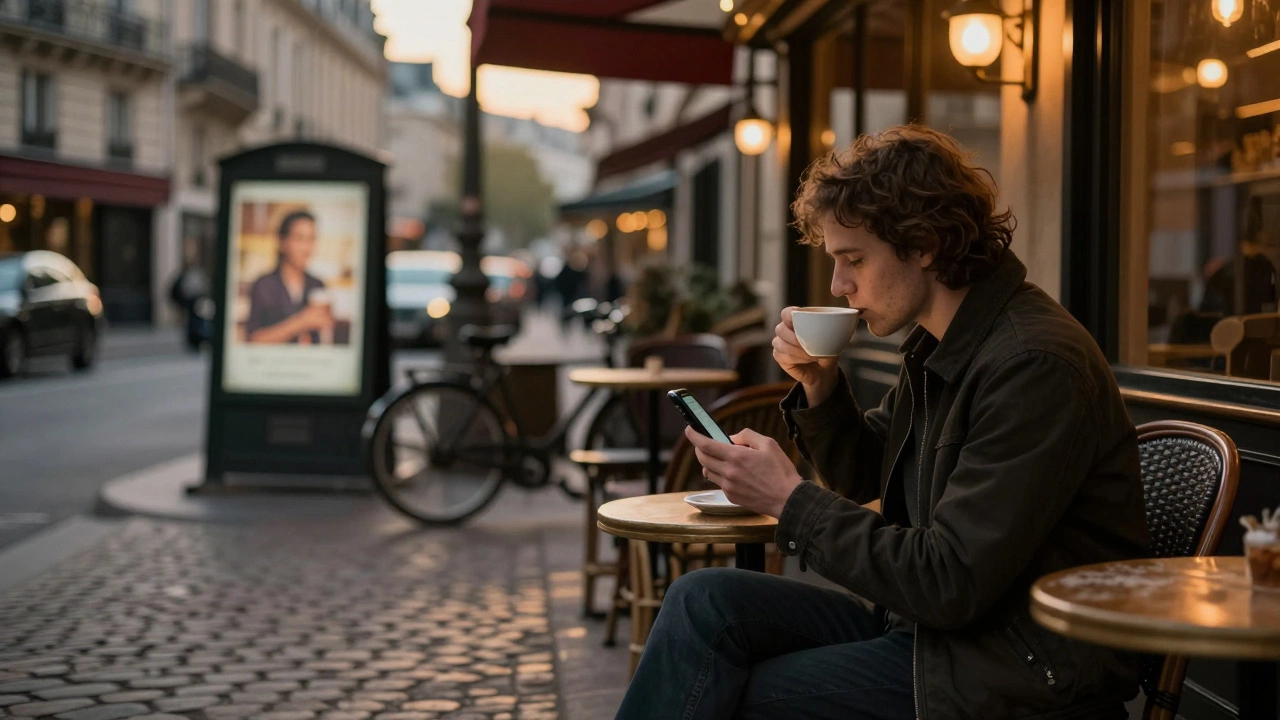
France’s nightlife isn’t just about wine and croissants-it’s alive with energy, music, and people looking for connection after dark. Cities like Paris, Lyon, and Marseille buzz with activity well into the early hours, drawing locals and tourists alike. For some, that means seeking companionship beyond dinner and drinks. Whether you’re curious about the culture, the legality, or the practical side of finding someone to share an evening with, it’s important to understand what’s real and what’s rumored. There’s a line between companionship and exploitation, and knowing where it is matters. If you’re exploring options in Paris, you might come across mentions of eecort paris, but keep in mind that not all services advertised online are legitimate-or safe.
France doesn’t criminalize prostitution itself, but it does crack down on related activities. Pimping, brothels, and soliciting in public are illegal. That means most companionship services operate in a legal gray zone, often disguised as "escort agencies," "companion services," or "dating consultants." There’s no official registry, no licensing, and no oversight. What you see on a website may not match what you get in person. Many ads use stock photos, fake reviews, and exaggerated claims. Some are outright scams. Others are run by people who genuinely want to meet others, but even then, safety isn’t guaranteed.
Paris is the most common destination people search for when looking for this kind of service. The city’s reputation as a romantic, stylish hub makes it a magnet for those seeking both atmosphere and connection. But don’t assume that being in Paris means better quality or more options. The reality is that the market is saturated with low-effort listings. Many so-called "escort girl pzris" ads are copied from other cities or recycled from years ago. The same photos, same descriptions, same phone numbers. You’re not getting a curated experience-you’re scrolling through digital clutter.
What separates a decent service from a risky one? First, look for transparency. Legitimate companions don’t hide behind vague profiles. They list their interests, availability, and boundaries clearly. They don’t promise "everything" or use sexualized language in their bios. They treat the interaction as a personal meeting, not a transaction. Second, communication matters. If someone refuses to video chat before meeting, or pushes for payment upfront without any conversation, walk away. Real companions want to know who they’re spending time with. They ask questions. They don’t just take money.
Many people assume that "sex girls paris" means immediate access to sexual encounters. That’s a dangerous myth. Most professional companions set boundaries. Some only offer dinner, walks, or cultural outings. Others may be open to intimacy, but only after mutual trust is built. The assumption that money equals sex is what puts people at risk. It attracts predators, scammers, and traffickers who prey on desperation. The most reliable companions are those who treat their work like a service job-not a fantasy fulfillment service.
Language is another barrier. Many ads are written in broken English or translated poorly. That’s not a sign of authenticity-it’s a red flag. If the person can’t hold a basic conversation in English or French, how will you know what you’re getting? A good companion speaks clearly, responds promptly, and respects your time. If you’re messaging someone who replies with emojis or one-word answers, that’s not professionalism. That’s automation.
Location matters too. Meeting in a hotel room? That’s risky. Meeting in a public place first-like a café, museum, or park-is the smart move. Most reputable companions will suggest a neutral, well-lit, busy spot for the first meeting. If they insist on going straight to a private location, that’s a warning sign. You don’t need to be paranoid, but you do need to be cautious. Always tell someone where you’re going. Keep your phone charged. Trust your gut.
There’s also a cultural misunderstanding here. In France, personal boundaries are often more fluid than in other countries. A friendly touch, a compliment, a shared laugh-these aren’t always signals of romantic interest. But that doesn’t mean you should assume consent. French social norms don’t override personal boundaries. Respect is universal. If someone says no, even casually, take it seriously. Pushing for more isn’t charming-it’s disrespectful.
Some people turn to these services because they’re lonely. Others are traveling alone and want company. A few are just curious. Whatever your reason, it’s worth asking: Is this the best way to meet someone? There are apps like Meetup, Bumble BFF, and even language exchange groups that connect travelers with locals in meaningful ways. You might not get a guided tour of the Louvre with a stunning companion, but you’ll get a real conversation-and maybe a real friend.
And then there’s the cost. Prices vary wildly. Some listings claim €50 for an hour. Others charge €500 for a night. The truth? Most legitimate companions charge between €150 and €300 for a few hours, depending on location and duration. Anything below €100 is almost always a scam. Anything above €500 is either inflated or predatory. Don’t be fooled by "premium" packages. There’s no VIP escort service with gold-plated credentials. It’s still just a person, and your safety is worth more than any package deal.
If you’re still considering this path, do your homework. Read independent reviews-not the ones on the escort site. Search for the person’s name or photo on Google or Reddit. Look for complaints. Check if the agency has been flagged by French authorities. France’s police have shut down dozens of fake escort sites in the past five years. Many of them were run by organized groups outside the country. You’re not just risking money-you’re risking your personal security.
And if you’re reading this because you’re thinking about becoming an escort yourself? Understand the risks. The law may not arrest you, but your safety, reputation, and mental health could suffer. Many who enter this world end up isolated, exploited, or trapped. There are better ways to earn money in France-tour guiding, freelance translation, event staffing, even bartending. These jobs offer stability, legal protection, and human connection without the danger.
France is beautiful. Its streets, its food, its art, its people-they’re worth experiencing on your own terms. You don’t need to pay for companionship to feel connected. Sometimes, the best moments come from unexpected conversations in a quiet café, a shared smile on the Metro, or a stranger pointing you toward the perfect view of the Seine. Those moments are real. They’re free. And they last longer than any paid encounter ever could.
There’s no such thing as a perfect escort. There are only people-some kind, some careless, some dangerous. Don’t let marketing blur that line. Stay sharp. Stay safe. And remember: the most valuable thing you can take from a trip to France isn’t a photo with someone paid to smile-it’s the memory you make on your own.


Write a comment